
My "Coming In” Story
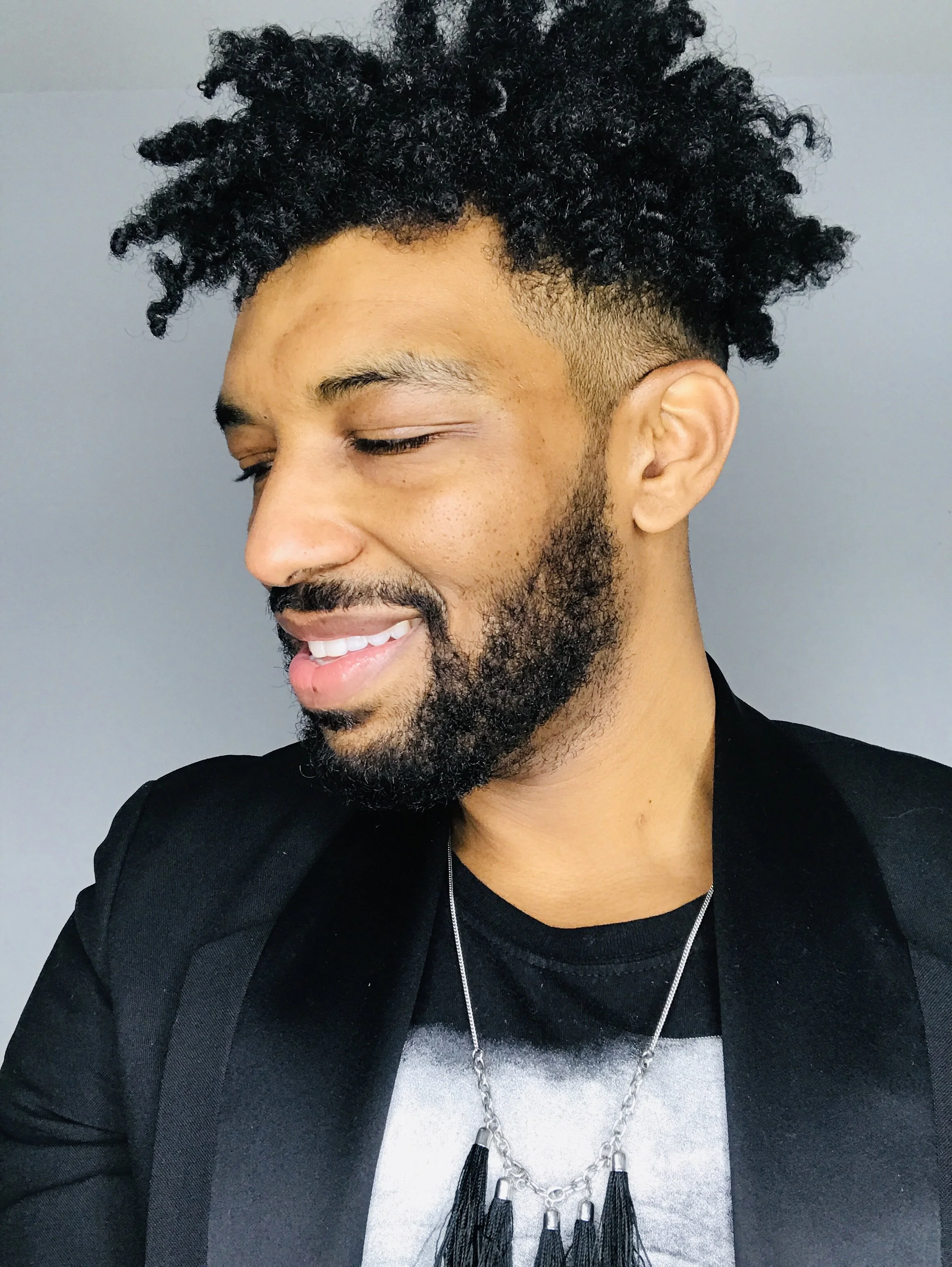
I will never forget that sunny day in San Francisco, the year was 2011. I was living in San Francisco in order to complete a summer internship which means I had a lot of time to think and reflect.There I layed in my small dorm room where I came to the realization that I was romantically attracted to men. That realization wasn’t exactly new but the difference this time was that I actually put it into words and that I started to own it. That day in 2011 was the result of many years of discomfort that I always walked around with. I walked around with this feeling like something was off center. That day in 2011 was the end of my wandering thoughts about what was wrong and the beginning of a long journey of coming into who I truly was and embracing myself, forgiving myself, and moving forward.
I have never really liked the concept of “coming out” because it promotes this idea that in order to be comfortable in who you are that all of people around you deserve to know about your sexual identity and preference. When any of us decide to share something private about ourselves with the people in our lives we are not coming out, instead we are inviting others in. For me, instead of feeling the pressure to reveal something I see this exchange as an invitation that the recipient can accept or decline.
I wish that I had arrived at the concept of “coming in” a bit earlier than the age of 26. Sharing something as personal as your sexual preference really needs the support of the community. Unfortunately many people don't have a supportive community surrounding them to help to support them during some of life’s most difficult times.
Another level of “coming in” involves abandoning the idea that other people have the right to your story. You get to share your truth with whomever you feel most comfortable.
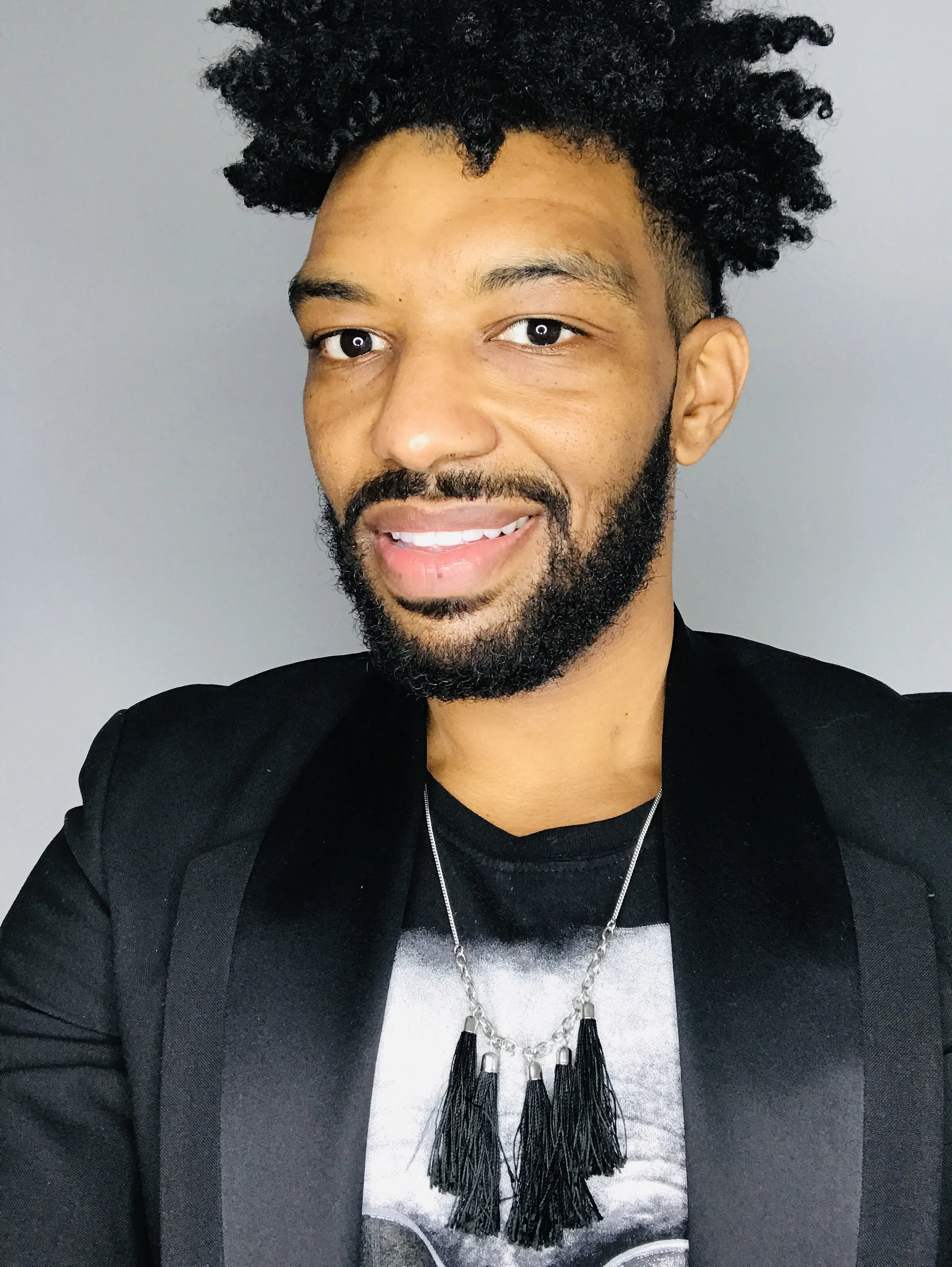
Prior to coming out I observed examples of other coming out storys of friends in my network. With thos examples I was that they experienced negative feedback and rejection from their friend group. In teh case of another friend who came out I leaned that they felt left behind and abandoned by the friend group that they had prior to them coming out. Watching these coming out stories unfold helped me to identify a few things:
Before I came out, I had to get so comfortable with my truth that even the potential hurt of rejection from the closest people around me would not send me back spiraling down into the feelings of pain and rejection I had experienced leading up to my own acceptance
I decided to only share my coming out with those whose opinions and support masttered. I knew that I was going to come out gradually and that I was going to prioritize who I shared it with based on how close they were to me and how safe I felt
I wanted to do the individual work and healing beforeI came out (or at least start the process) before I shared it with others; especially because Iknew that many of the people in my immediate circle at the time were most likely not going to understand or accept me
With all of that information inside of my head I aegan to do the work and untangle and unlearn and get comfortable with this newly realized truth.
Once I got more comfortable I began to come out of the closest people to me.
What I did wrong was hoping that coming out to people around me would somehow solve all of my problems, apprehensions and confusion about being a gay man and I thought that their external aapproval was the key to my internal acceptance. But I was wrong. Coming out is all about everyone else an coming in is about the individual owning their truth. Since then I have taken responsibility for my own truth and I have been able to create a life that is joyous, healthy and sustainable.
For those of you who may be struggling with their sexuality or if you know someone who is struggling with coming out as queer i have indulded some resources below:
The Trevor Project
The Trevor Project provides crisis intervention and suicide prevention services to lesbian, gay, bisexual, transgender, queer & questioning young people under 25. Learn more: www.thetrevorproject.org
TrevorLifeline
Phone: 1-866-488-7386
Hours: Available 24/7
Cost: Free
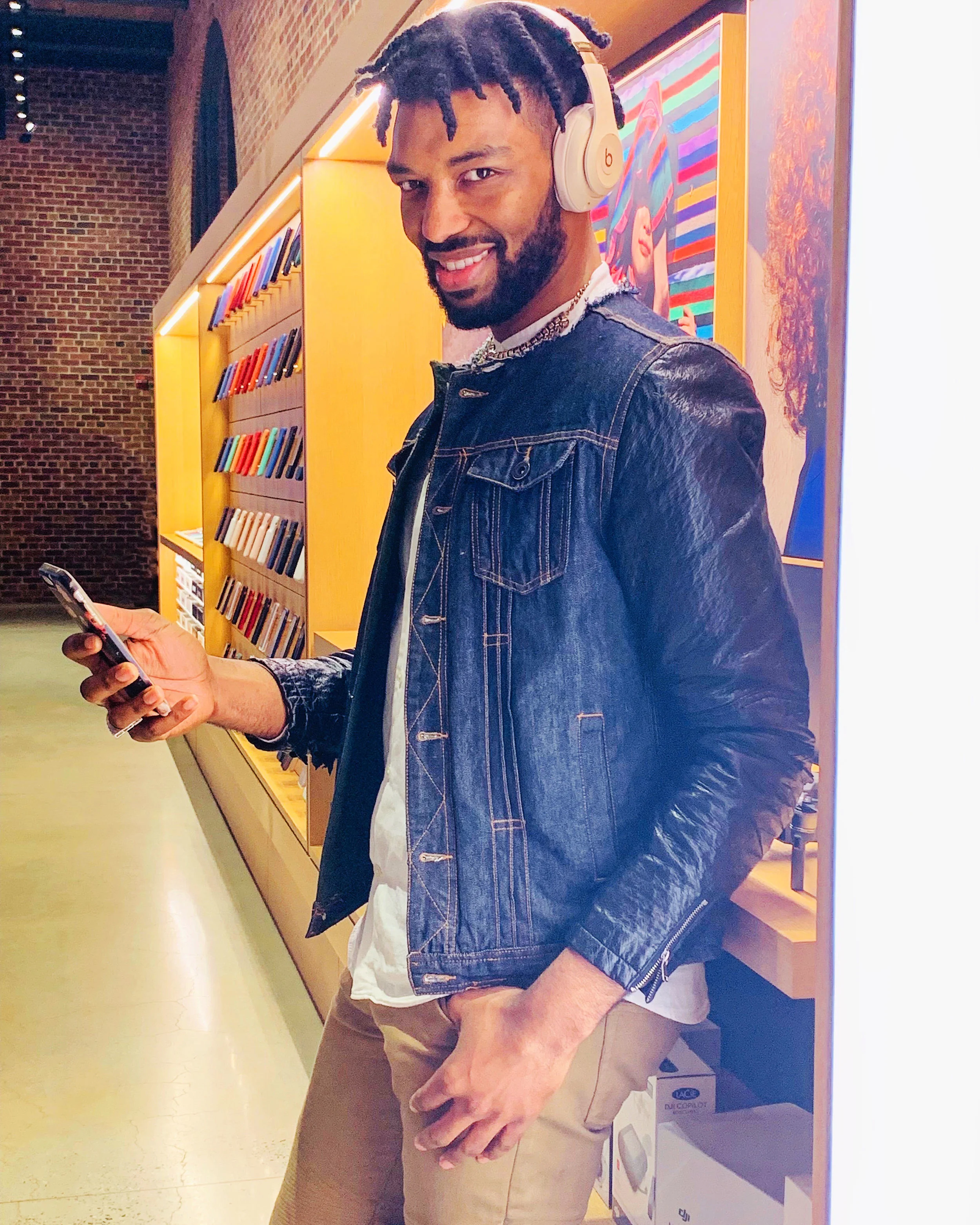
Songs That Saved My Life: Confidence Boosters
The Songs That Saved My Life Series is back ya’ll!!! I created this series back in 2017 when I relaunched my website as a forum for me to share the songs that have influenced my life and the lyrics that have helped me through my biggest triumphs and lowest downfalls. Each post has a theme. In the blog post I highlight the stand out lyrics from the song that embody the theme.
Be sure to check out Songs That Saved My Life Part I x Part II.
This edition of Songs That Saved My Life is all about songs that help instantly boost my confidence.
Even the most confident person needs a reminder that we are the bomb! A large part of self care is showing yourself some love…just because. Music is one of many ways for me to get that boost of confidence when I need it. Whether it’s because I am having a bad day or simply because I need to treat myself a bit more kind. I turn to these songs to remind myself that I am flawless and I totally woke up like this! Check out my suggestions below…What are your go to songs that make you feel amazing?
I leave you in love, peace, and style,
Lonnie
Check out my curated Spotify playlist so you can get all the way in the mood!
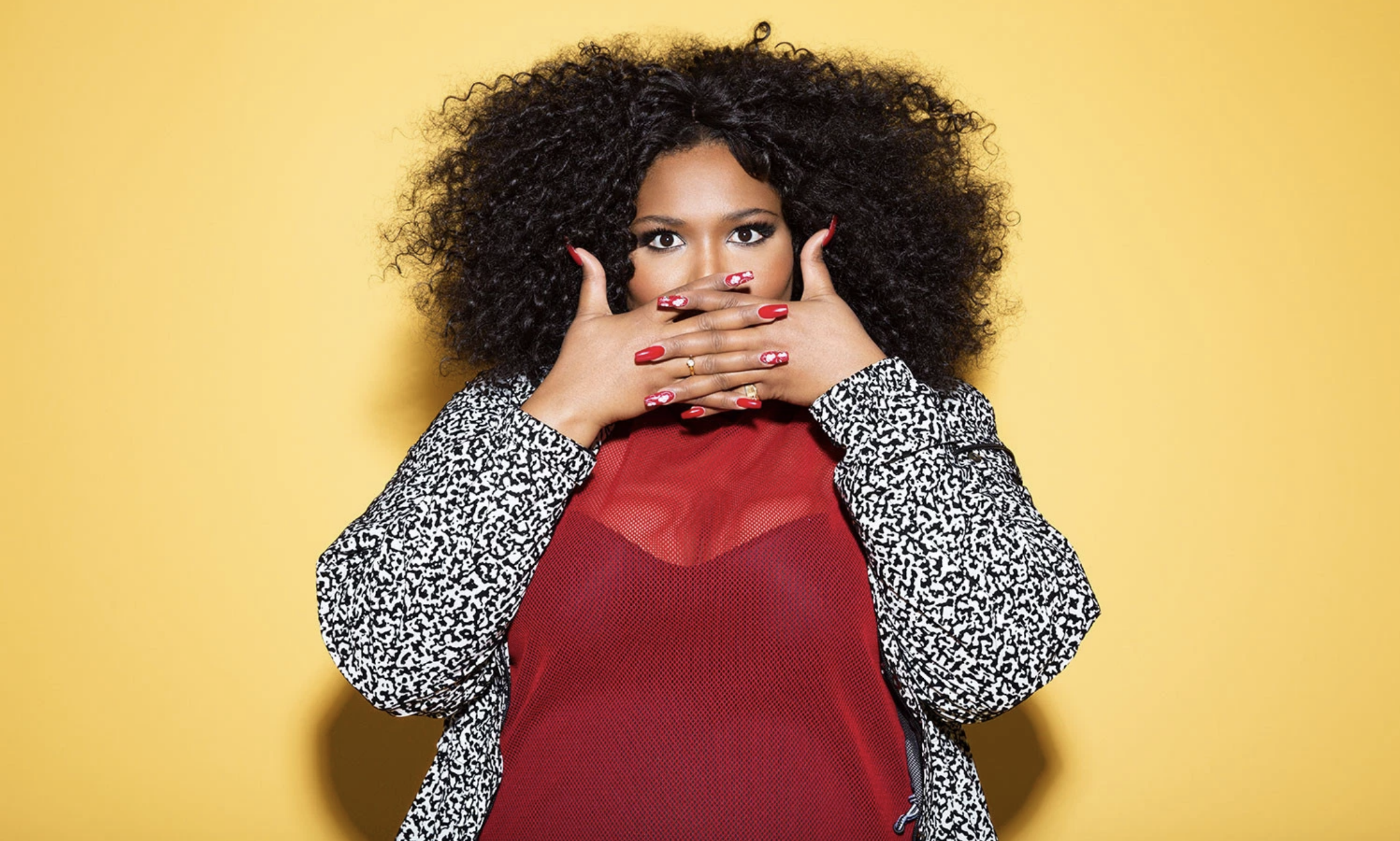
JUICE by Lizzo
Standout Lyrics
If I'm shining, everybody gonna shine (Yeah, I'm goals)
I was born like this, don't even gotta try (Now you know)
I’m like chardonnay, get better over time (So you know)
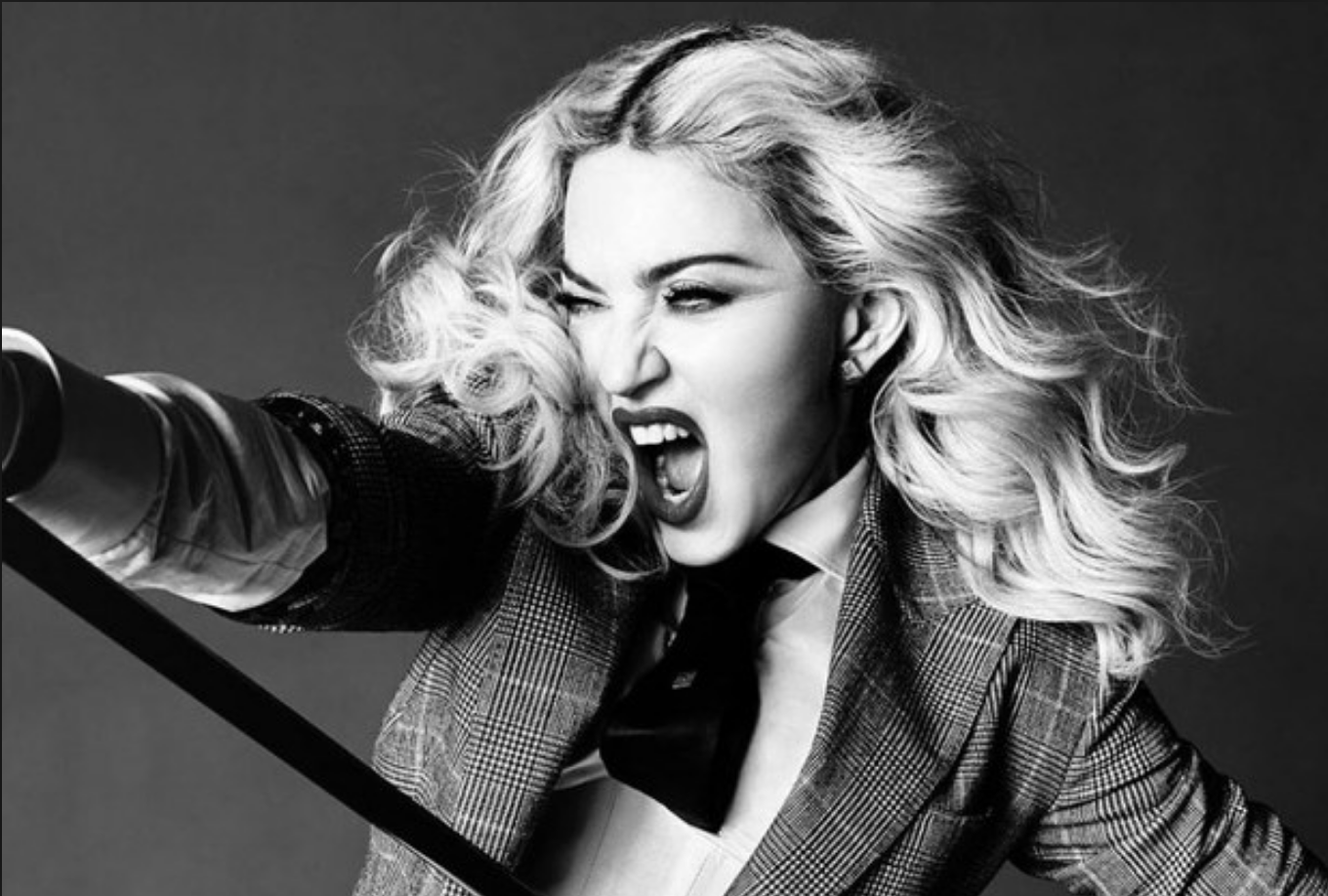
Beautiful Scars by Madonna
Standout Lyrics
Don't judge me, just gotta let me be
Accept me, although I'm incomplete
My imperfections make me unique that's my beliefI think you're confusing me with somebody else
I won't apologize for being myself

Flawless by Beyonce
Standout Lyrics
You wake up, flawless
Post up, flawless
Ride round in it, flawless
Flossin on that, flawless
This diamond, flawless
My diamond, flawless
This rock, flawless
My rock, flawless
I woke up like this
I woke up like this
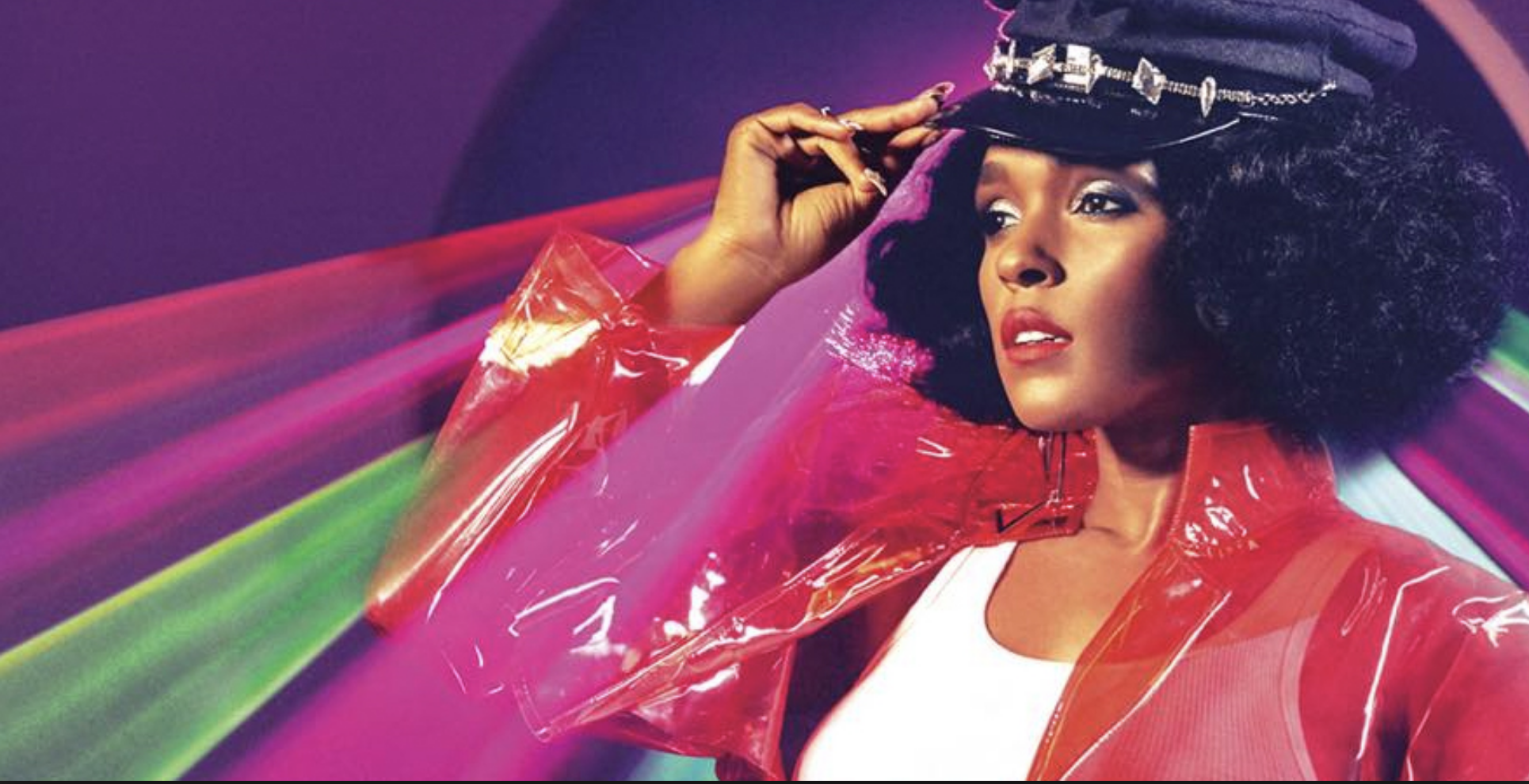
I Like That by JAnelle MonAE
Standout Lyrics
A little crazy, little sexy, little cool
Little rough around the edges, but I keep it smooth
I'm always left of center and that's right where I belong
I'm the random minor note you hear in major songsAnd I like that
I don't really give a fuck if I was just the only one
Who likes that
I never like to follow, follow all around, the chase is on

Fuck With Myself by Banks
Standout Lyrics
'Cause I fuck with myself more than anybody else
(it's all love)
I used to care what you think about me
(it's all love)
'Cause my love's so good
(So I fuck with myself more than anybody else)
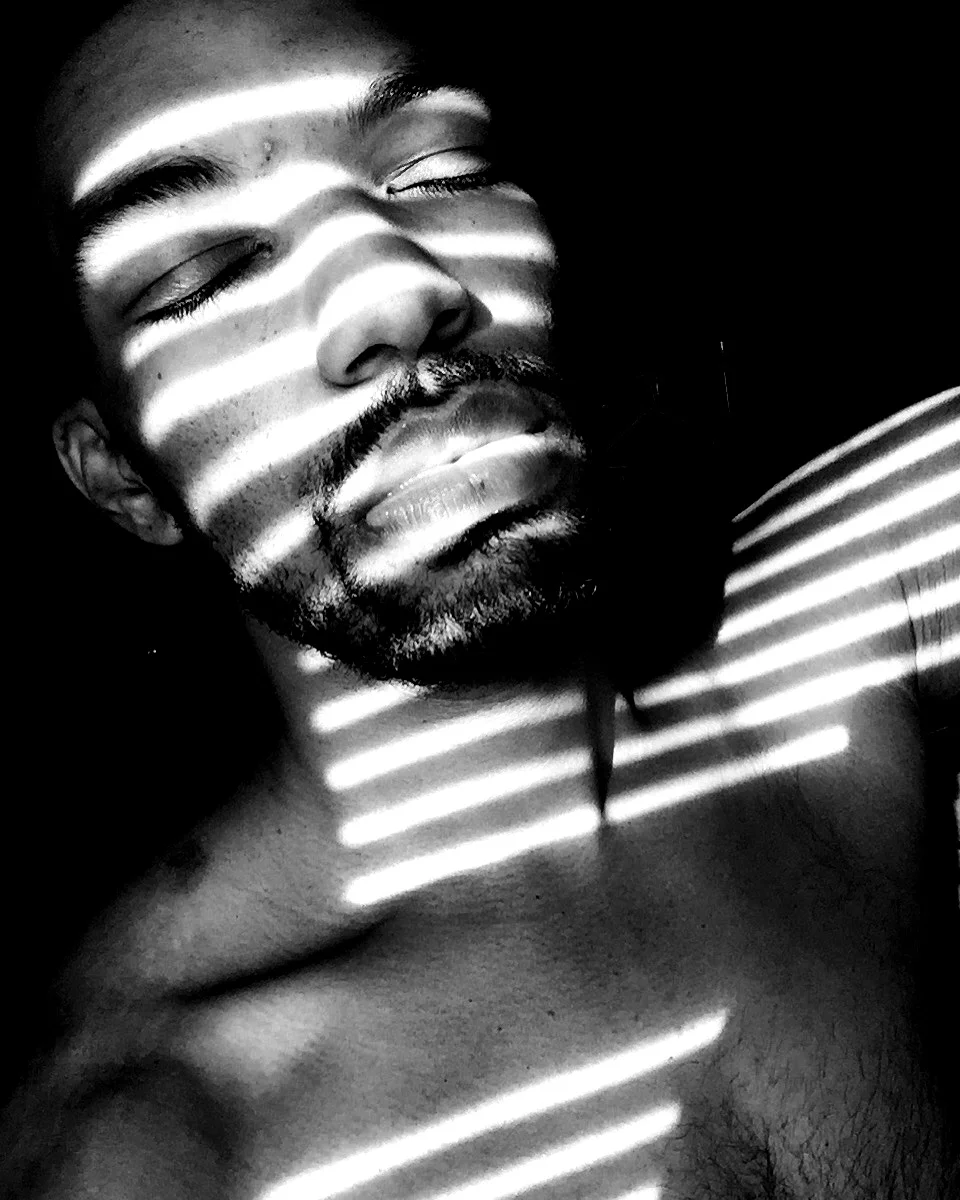
Why Carlton Banks Wasn’t The Issue: How I Came Into Accepting My Black Identity
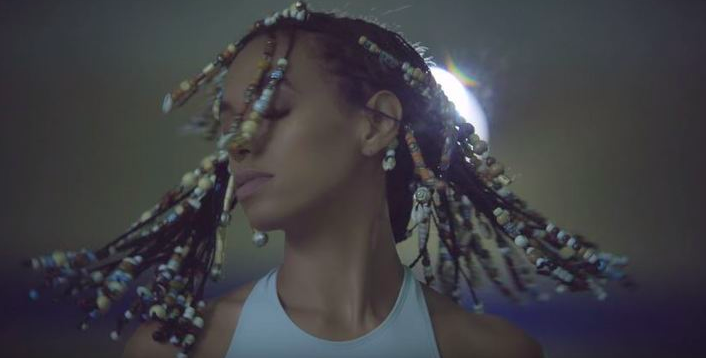
“I have always been proud
to be black, never wanted to
be nothing else, loved everything about it”
The above quote is transcribed from the Tina Taught Me interlude featured on Solange’s album A Seat at The Table (2017). As empowering as the above statement is to hear as a black man, I must admit that I cannot identify with it. Especially the part about always being proud to be black. Because well...I haven’t always been proud to be black.
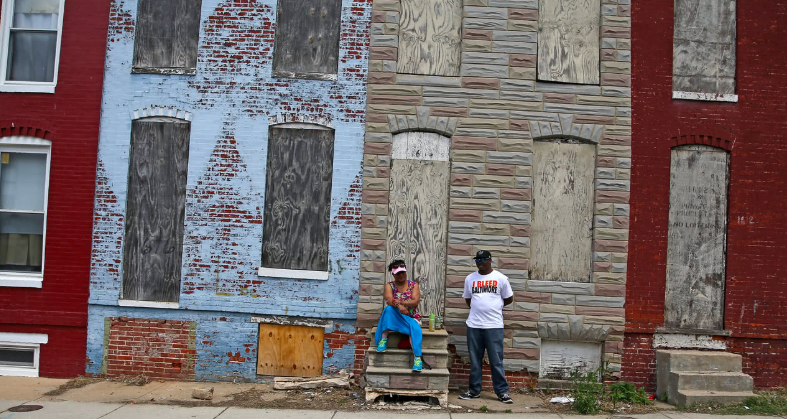
BALTIMORE SHAPED HOW
I
SAW MYSELF AS A BLACK PERSON
I was born and raised in Baltimore, Maryland; a city with a population that is 63% African American (statisticalatlas.com). To add further socio-economic complexity, 22% of the population lives in poverty. With these two factors at play, it’s fair to say that the outlook on life for the average black poor or working class person like myself in Baltimore was often extremely limited. The only time I remember encountering a non-black person in real life was at school. There was the one white student in my high school and I had mostly white teachers. But for the most part my day to day experience was blackity black, black.
“I was really conflicted growing up around this idea of what blackness represented. I didn’t know if I should be proud to be black or wish that I wasn’t.”
From a young age I was exposed to bullying and in-group racial emotional abuse from my peers at school and in the neighborhoods I grew up in. This treatment led me to feel that who I was authentically was somehow not black or not black enough. Some examples included other black kids questioning by “blackness” based on how I dressed, acted, spoke or by what hobbies and interests I had. For instance in middle school I was really into pop music and I still am ( I mean Britney Spears is a goddess!!). There was a phase where I shopped for clothes at the GAP (which was not the brand on trend in Baltimore at the time). Ultimately, I was a young insecure teenager just trying to find my way, but it felt like I had no room to grow.

Britney Spears, 1999
It didn’t take long for me to assume that being black was not an ideal race to be in America. I learned this lesson in school and from the media. I have always been invested in my education and naturally I excelled academically because I took school very seriously. While at school I was often teased for being “smart” or for liking school so much or told that excelling academically meant that I wanted to be white. That bullying eventually created resentment within myself towards the black community. And even tho I always have identified as black, I felt like I was different then the black people who treated me so poorly. To add further context, my mom has never boarded a plane and I did not have the luxury of going on family vacations growing up so I was pretty unaware of how any other place was outside of Baltimore. Many of the members of my community were drug dealers, criminals or bullies. The news tended to also highlight negative images of black folks in my communities.
CARLTON BANKS SYNDROME
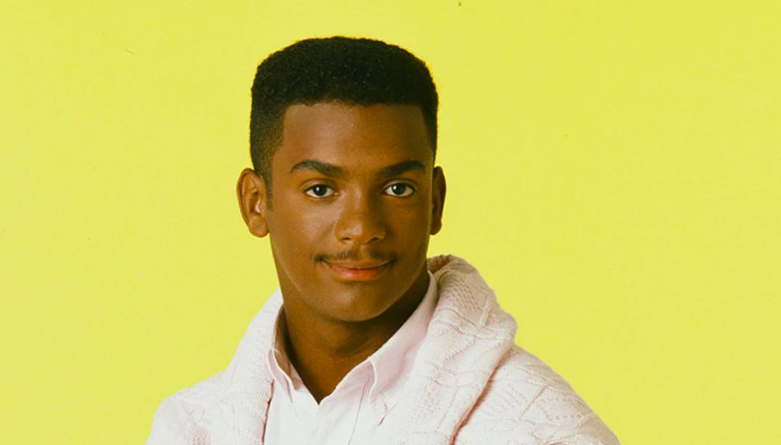
Growing up I would look to tv and film for examples of positive black role models. In the late nineties, I instantly connected to fictional character Carlton Banks from the sitcom “ The Fresh Prince of Bel Air”. Carlton represented everything I wanted to be at the time. He was black but educated ,articulate, he had goals, he was well spoken and classy. I related to how Carlton often was misunderstood or how his blackness was often questioned by his cousin Will who grew up far from affluent Bel Air in west Philadelphia (born and raised (I know I’m not the only one who knows the these song verbatim. I wanted to be like Carlton and at the time I thought that was who I should want to be like. Carlton represented the “ideal black man” to me. Later I learned that, that perspective is so incorrect.
THE SHIFT: REPRESENTATION REALLY DOES MATTER

As I prepared for college, one of my main goals was to go to a predominantly white university. I told myself that I was ready for something “new” which at the time translated to “something white”. West Virginia University was my top college. Currently black/ african american students make up only 4.7% of the population (College Factual). WVU admitted me for the Spring semester instead of the Fall so I declined the offer and ended up at Towson University which is located right outside of Baltimore. TU’s black students makeup a little over 12% of the student population (College Factual).
Towson’s black community was pretty close knit but during my freshman year I broadened my horizons and made a couple of white friends as well. While at college I learned that black people spanned a wide range of ways of being far beyond the small sample group that I experienced in my hometown. Now I was meeting black children from affluent families, I was meeting nerdy black people, from rural towns, Black people with diverse regional and international accents, black people obsessed with anime, gothic dressing black people with black nails, 1st generation immigrants from a myriad of african countries, I met black people who grew up in the church and those who grew up on the farm and everything black shade in between. My eyes began to open and I realized that it wasn’t that I hated black people or that I even hated being black, I just had not been exposed to the diversity within the black community as a whole. So this my friends is why the every so popular and honestly overly used phrase “ representation matters” really matters lol
WHERE AM I TODAY?
Today I am a proud black man. I have learned many lessons about the problematic ways that I used to think about myself as a black man and closed some of those cultural and historical gaps and replaced them with educated viewpoints. I understand that all black lives matter. I know that Michelle Obama is not better than Cardi B and that there is room for all of us. All of us matter and all forms of blackness are valid.I no longer allow others to police my blackness. There are still times when I am not 100% comfortable in all black spaces however that is a preference, not a judgement. I know that blackness cannot be defined by one characteristic, personality type or way of being. Blackness is broad and infinite.
“I have had to grow into embracing and celebrating my black identity. It has been a process that has been informed by all forms of education including reading, meeting people and a whole lot of self reflection.
”
Relating to Carlton Banks was never the issue, wanting to be him, because he represented an ideal black man was an issue and I am glad that I can now sing “it’s not unusual to loved by anyone” in peace.

Why It Took Me 5 Months to Find A Therapist

Broken Reality, 2011, lonnie Woods III
Earlier this year I found myself overwhelmed by compounding family issues, feelings of isolation, broken friendships, professional stressors and the pressure of my fast-paced life. After venting to my closest friends I decided that it was time to re-engage my psychotherapy sessions. I have no shame when it come to staying mentally fit. In fact I enjoy dissecting my thoughts and behaviors with a non bias party...counseling is an over thinkers dream lol
Little did I know that the process of finding a new counselor would prove to become just as, if not more stressful than the reasons I needed counseling in the first place! Below I have listed some barriers I faced during my search for a therapist.
Like Finding a Needle in a Haystack
In short, searching online for a therapist was no fun! I started by using my insurance companies online provider search. I found that the online tool was not user friendly and did not give me a wide range of quality options for therapists that matched my search criteria. Eventually I tried the Psychology Today search engine which was a little better but ultimately stressful and time consuming.
Out Of Network and Out of Control
Out of network means that a providers services are not covered by your insurance company which results in you having to pay full price out of pocket for the services... Nah Bruh! Also in my experience, specialized therapy styles such as Art and Drama Therapy were never covered by in network providers.
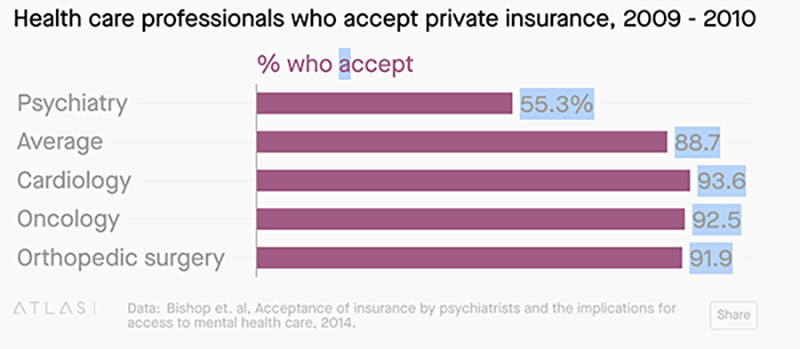
Currently Not Taking New Clients
Popular/ highly rated counselors or those that were a strong match for my needs often were not taking new clients at the time. This issue further limited my options.
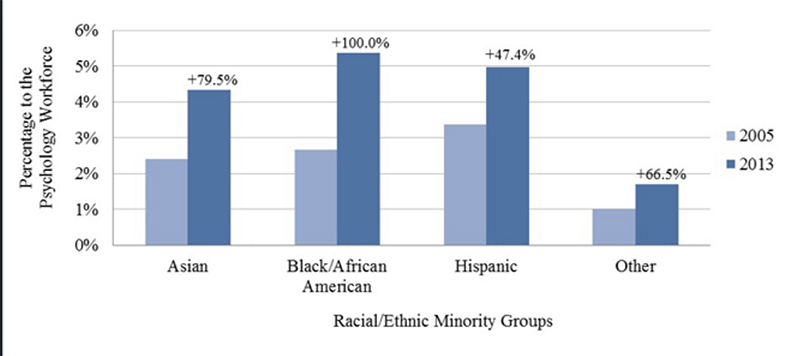
Representation Matters
My preference for a counselor was that he/she/they were a person of color. I found that it was difficult to indicate on the databases if the therapist was a person of color especially because photos were not always available.
The Waiting Game
The time it takes to find a therapist can be anywhere from a few days to a few months!! I found it so exhausting that I gave up several times.I started my search in May and found a therapist in September! But even then my intake appointment was a couple weeks after the phone consultation and I did not start my first session until 3 weeks later.
My Conclusion
Finally I found a counselor after a 5 month search and oddly enough I found my therapist through a referral after the online search failed me! I must say that it was worth the work and the wait however the search was so exhausting. I can really see how the barriers involved with finding a therapist can turn someone off to the benefits of counseling.
The Experts Advice
I know that my experience is not unique so I reached out for a professional opinion from my sister Tierra. Tierra is a dear friend and North Carolina based mental health professional, educator and advocate. She was kind enough to answer a few questions to provide some perspective and resources for those who may be considering therapy.
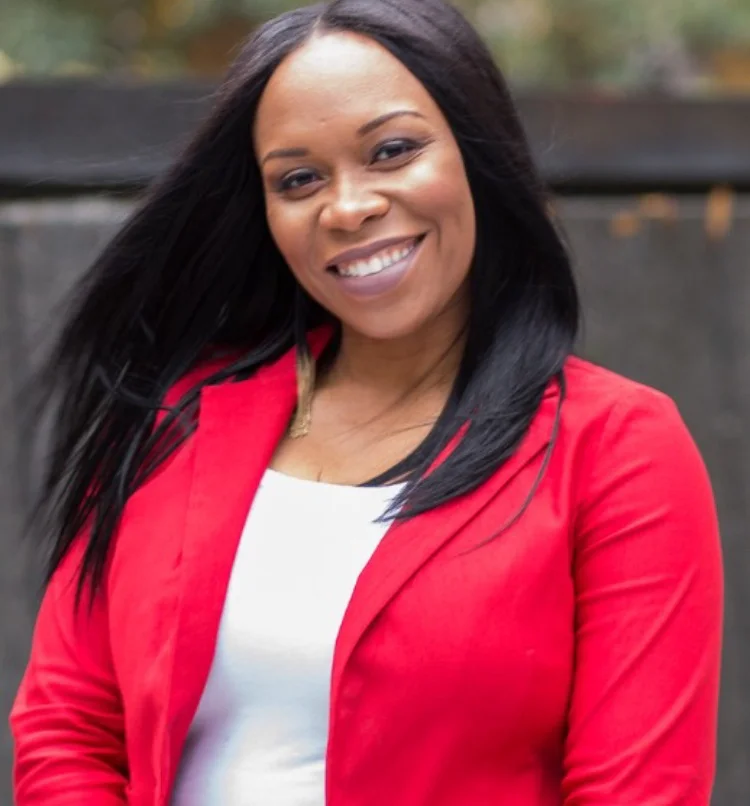
Q&A with
Tierra Parsons
Mental Health Educator and Social Worker
What motivated you to work in the mental health field?
If I were to be honest, I don’t know the exact time when I felt motivated to work in the mental health field but I do have a couple of top experiences. Those times included my experience in Baltimore, MD when I attended The University of Maryland, Baltimore School of Social Work and my professional experiences in behavioral health.
When I first moved to Baltimore in 2007 I observed a lot of people that were homeless. This was the first time that I experienced this and I was in shock. The reason I was in shock was because I am from a small town in North Carolina and we did not see “homelessness” on a regular basis or at all for that matter. I knew at that point that people that dealt with a lot of things that created tough life situations and I wanted to help in any way that I could. I’ve always had a heart to help people so this further inspired me to passionately pursue my Master’s Degree in Social Work so that I could learn everything possible and also apply the skills learned via my internships to the populations that I would serve.
When working in behavioral health, I realized how much working in the field impacted my own mental health. I had never experienced such “dark” places and I thought to myself, “How can I be a therapist and need help myself? How could anyone think I would even be credible?” When I think back on those times, I am glad that I sought out help. If I did not help myself and recognize the issue, I would not be here to even contribute to this blog. When people are in those dark spaces, it is very hard to be hopeful. I believe that few people actually WANT to be depressed and I say few because nothing nowadays is 100%. People just need a listening ear and a plan to overcome the obstacle that the face and a solution to a problem that seems unsolvable. Reaching out was the best thing that I could have done and still do. I am thankful for those around me who listen and care and I want to encourage all providers in the mental health field not to be afraid to take care of yourself first. Speak out so you can be mentally equipped to lift others up.
What are your current professional roles?
1-Director of Counseling Services at Johnson C. Smith University
2-Adjunct Professor (School of Social Work) at Johnson C. Smith University
3-Contracted Licensed Clinical Social Worker
Do you think that everyone can benefit from therapy? Why or why not?
I think that everyone can benefit from “someone to talk to”. People have many different opinions about “therapy” and what it entails. The reason for these opinions is because of either good or unpleasant experiences with a therapist or agency or even what they believe culturally. It is important to find the right fit with a therapist so that both the client and the practitioner can build a good rapport and trusting relationship with one another. Life happens to the best of us and if things continue to build, it only takes one circumstance to make someone feel like everything is falling down around them. If the fit is right, then yes…everyone can benefit from therapy. As a therapist, we always want to make sure that we are doing what is in the best interest of the client so it is important to have regular dialogue about the progress that is made during the treatment process.
Have you had any personal challenges finding mental health providers?
Yes, I have had personal challenges finding a mental health provider. The thing is, there are many providers but not all of them accept certain insurances or their fees may not be affordable for some. Being a contracted worker for many years created a lot of barriers because I either could not afford the insurance premiums, the service or I didn’t have adequate coverage. Another barrier was when I actually secured insurance, it did not cover my assessment so I had to go to my primary care physician. I was so frustrated because I wanted to be serviced by a particular provider and I couldn’t so I totally understand when clients feel the same when seeking services.
What advice would you give to people of color who are seeking providers that represent their cultural/racial/ethnic background?
The advice I would give to people of color who are seeking providers that represent their cultural/racial/ethnic background is to spend time researching their websites and other professional sites. I would call them in advance to see if they accept the insurance that they have or if they do not have insurance I would ask them if they have a sliding scale. It also wouldn’t hurt to visit the agency or provider to see how you feel when you are there. Granted, vibes change all the time, but it wouldn’t hurt to go visit if that’s possible. I also wouldn’t count out a provider that did not necessarily represent their background because therapists from different backgrounds have special gifts and talents that could help as well. As long as the person receives the help they need and builds a good relationship with the therapist, that’s all that matters.
What are some of the steps to finding a provider that you think it is essential for people to know?
One of the biggest steps I think is to first acknowledge that you need a little (or a lot of) help and support. If your job has an EAP (Employee Assistance Program), it could be worth it to try this out if you just want to see how you like it. Some jobs have certain providers in that network so keep that in mind. Another route could be to see if the county/state has a MCO (Managed Care Organization). This MCO should have an ACCESS line or a number to call for a care coordinator to link them with a provider that would best fit their needs. Also, I would simply ask around (i.e. colleagues, friends and pastors). Some people have had good experiences with a provider and could make an awesome referral. There are also national websites that could be used to finding a provider such as the National Alliance on Mental Illness (NAMI). Lastly, some churches, places of worship or spiritual/holistic gathering places have resources that could be useful. As a special note to college students: if possible, seek support from the Counseling Center on campus. The one take away from this is: don’t stop until you find a therapist that works. Just don’t give up. If you feel that you don’t want to repeat your story over and over, it may help to write it down so that you can give it to them as a head start and you can decrease the impact of retelling your story.
What would be your advice to someone who has never tried therapy before?
My advice to someone who has never tried therapy before is to be hopeful and optimistic that things will work and also get better. It may not happen overnight because the concerns didn’t all happen overnight so this is why hope is important here. Also, keep in mind that it may take some time for things to level out so don’t give up on it so quickly. If you need to ask questions, ask them. As a matter of fact, write them down prior to starting so that you can think clearer. If something doesn’t feel right, speak up about it. If you need to bring something to color or doodle on while in therapy, do that. If it helps to bring someone for support, ask about the process for making this happen. Whatever accommodations you need just ask. This is your personal journey; a journey that was not promised to be easy but it will be worth it. When we go through things in life, sometimes it is to help someone else…so that they can see the living, breathing being that made it through the very thing that they are experiencing. Look at it this way, when a person is training for a marathon, they have to do a lot of conditioning to get stronger and sometimes that process is hard…but the good thing is that they get stronger and the pain that they experienced, they realize that they made it through. The athlete is now able to run longer, lift more weight and win more races! The same applies to mental health; once you get through it you will be stronger, you will be better and you will experience more victories!
Can you share some of the common barriers to finding a therapist?
Some common barriers to finding a therapist are: stigma, fear, insurance, finances, transportation, the lack of child care and sometimes….the actual agency J Some agencies lose a lot of clientele because of broken systems and processes. On the other hand, there are lot of changes that happen in the mental health field that are beyond the therapist or agency’s control that cause changes to happen with policies. For this reason, a lot of adjustments have to be made that unfortunately cause barriers to treatment. This is not the case all the time, but it does happen.
Can you provide any online resources that will help facilitate a therapist search?
American Psychological Association
National Alliance on Mental Illness
Songs That Saved My Life: Surviving Change
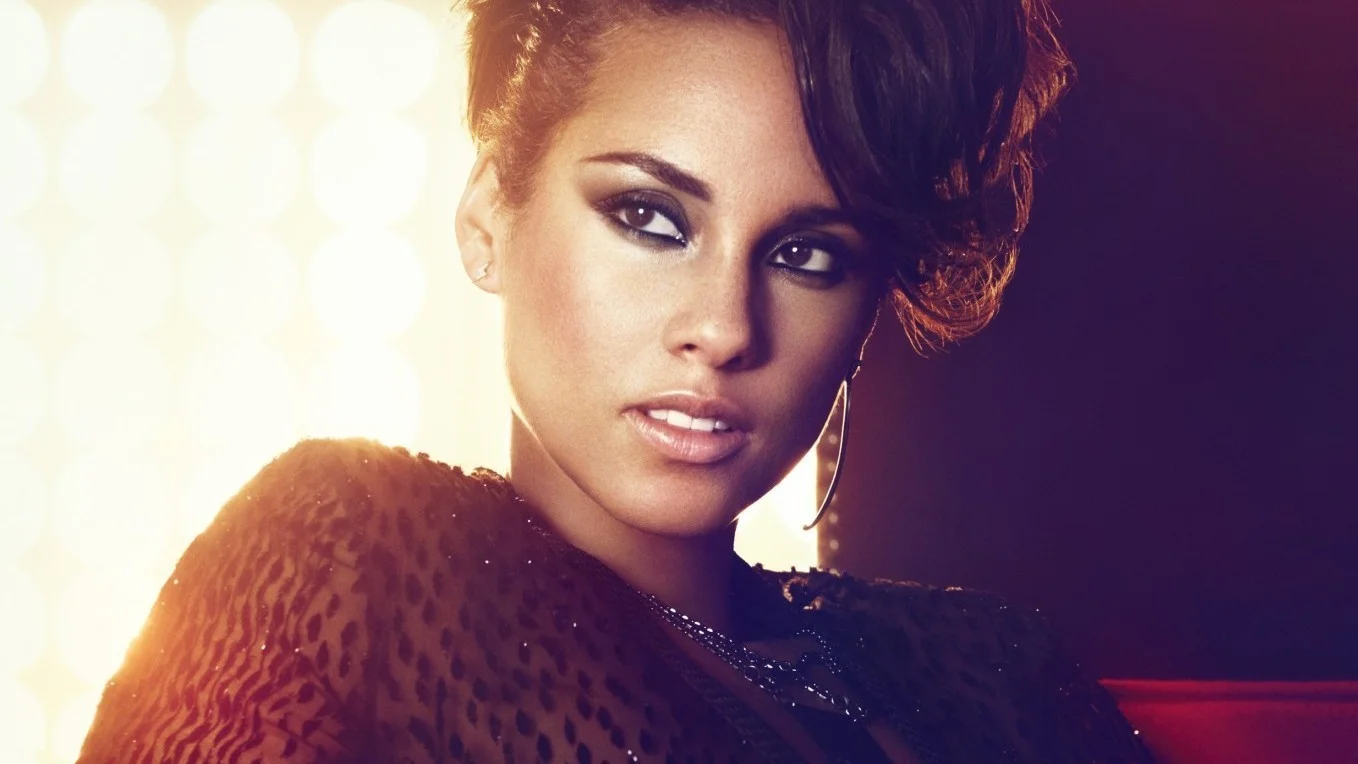
This installment of Songs That Saved My Life is dedicated to those moments where you are redefining yourself and need an anthem playing as you emerge from your cacoon. Change is sometimes difficult for yourself and others to digest however if you feel that a change is necessary, I personally believe that you have to move forward. Committing to a change no matter how small or drastic takes a certain amount of commitment and bravery. As you go through that journey you may feel alone at times, and that is normal. Sometimes the time away from the influence of society is exactly what you need in order to process your decision. Here are the songs that helped me to survive change.
Brand New Me - Alicia Keys Listen Here | Girl On Fire [2012]

One of the largest obstacles of making a change (especially one that in unpopular) is blocking out the opinions of those who do not agree with you,do not support you, and do not understand your vision. Often times these can be the people that mean the most to us. As painful as it may feel to separate yourself from the negative or opposing voices, in order for you to get where you need to be, you have to take charge of your transformation. And once you make the change, they may not be in love with the brand new you. That's ok, just sing this to yourself...
Notable Lyrics:
I don't need your opinion
I'm not waiting for your okay
I'll never be perfect, but at least now I'm brave
Now, my heart is open
And I can finally breathe
Don't be mad, it's just the brand new kind of free
That ain't bad, I found a brand new kind of me
Don't be mad, it's just a brand new time for me
I Didn't Know My Own Strength - Whitney Houston Listen Here | I Look To You [2009]
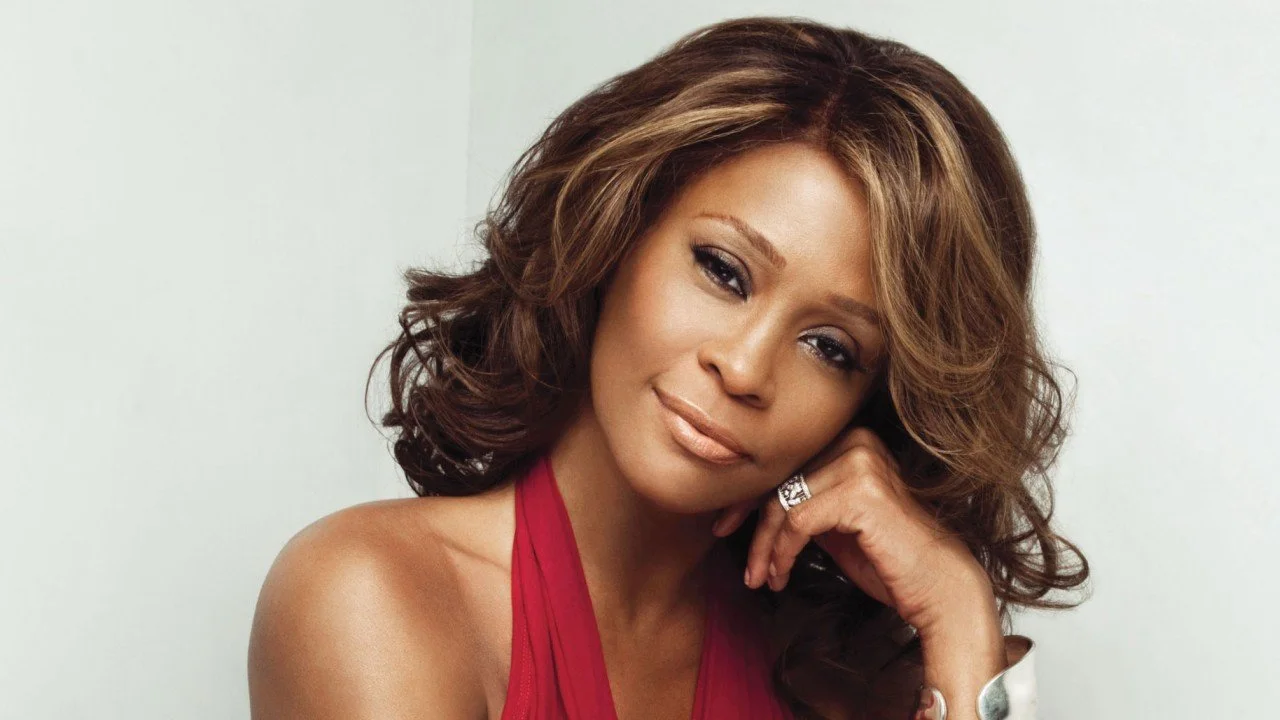
Doubt is an emotion that will probably haunt you as you begin to make changes in your life. As you go through the various stages of change you may find yourself asking questions such as " Did I make the right decision?" or "Can I handle this?". The late Whitney Houston is here to remind us that we have to be confident in the strength that we possess. We are enough and we can do it! We were not built to break.
Notable Lyrics
I thought I'd never find my way
I thought I'd never lift that weight
I thought I would break
I didn't know my own strength
And I crashed down, and I tumbled
But I did not crumble
I got through all the pain
Am I Wrong - Nico and Vinz Listen Here | Black Star Elephant [2013]
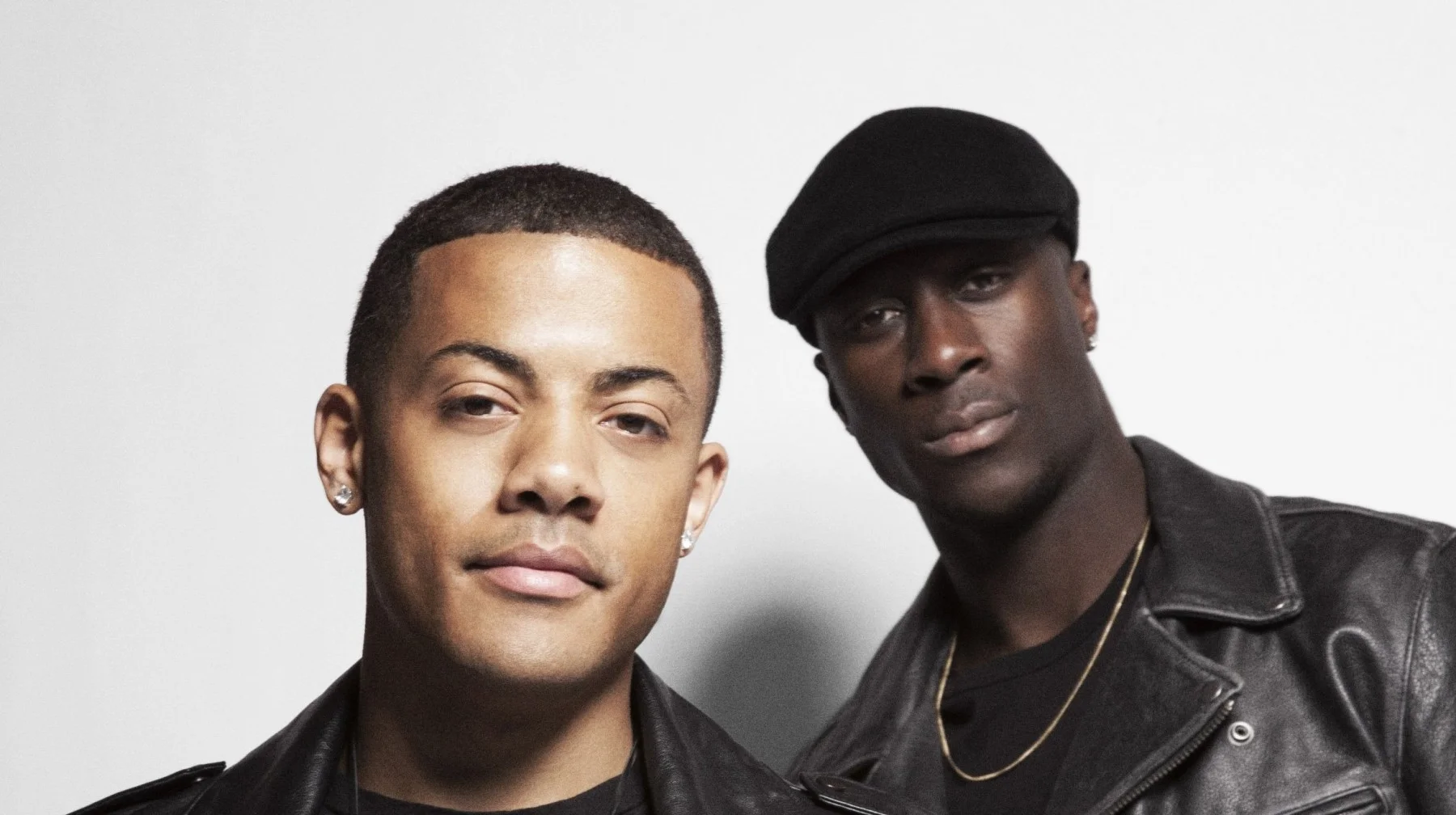
It is so easy to look around you and compare your life to others. And more often than not, we use those comparisons to gauge if our intuitions are valuable. It is so imperative that we learn to trust our own voice. That internal voice that is often times muffled due to various external influences. Trust your gut.
Notable Lyrics
Am I wrong for thinking out the box from where I stay?
Am I wrong for saying that I'll choose another way?
I ain't trying to do what everybody else doing
Just cause everybody doing what they all do
If one thing I know, how far would I grow?
I'm walking down this road of mine, this road that I call home
So am I wrong for thinking that we could be something for real?
Now am I wrong for trying to reach the things that I can't see?
But that's just how I feel, that's just how I feel
That's just how I feel trying to reach the things that I can't see
Unwritten - Natasha Bedingfield Listen Here | Unwritten [2004]

We are all works in progress, don't allow the pressure of not having it all figured out keep you from moving forward. You will learn and gain resources along the way that will help you complete your task. All you need to start is a desire to change and the confidence to take the first step. The universe will guide the way after that.
Notable Lyrics
No one else can feel it for you
Only you can let it in
No one else, no one else
Can speak the words on your lips
Drench yourself in words unspoken
Live your life with arms wide open
Today is where your book begins
The rest is still unwritten
Headed In The Right Direction - India.Arie Listen Here | Voyage To India [2002]
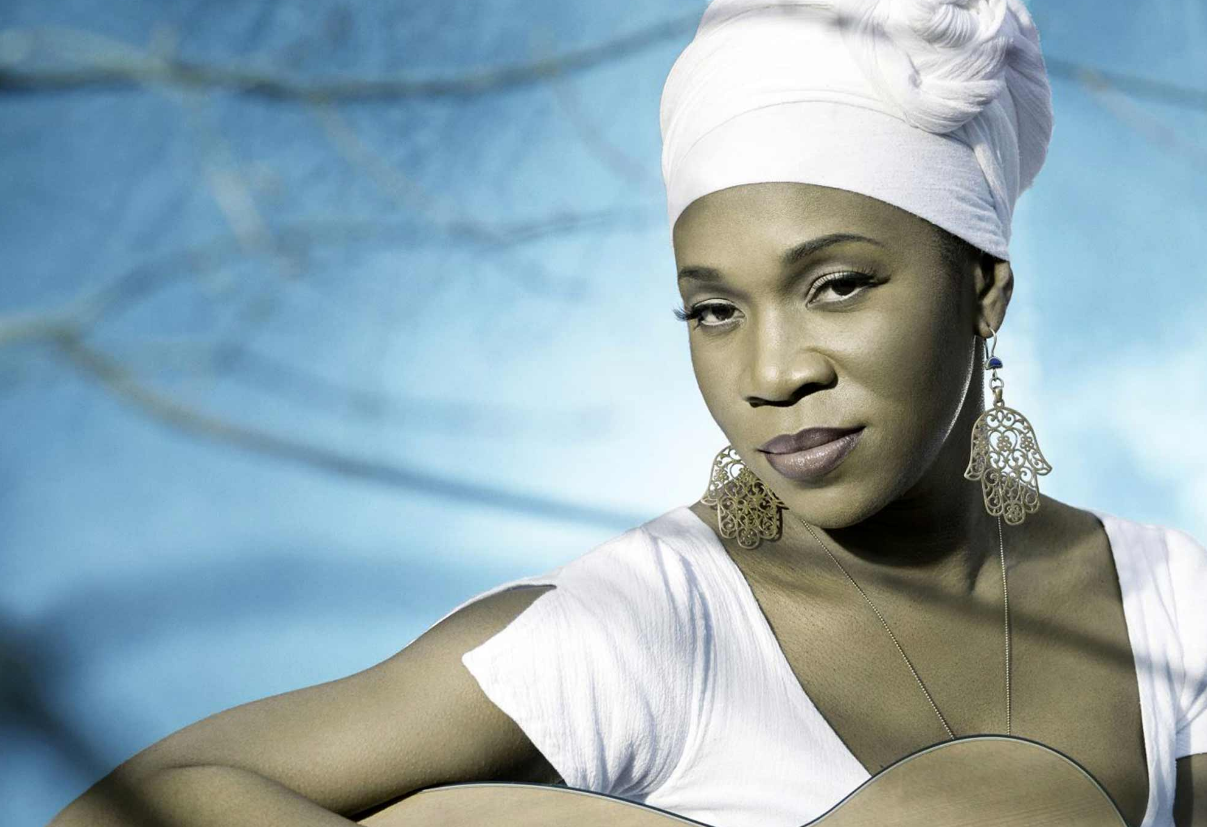
Sometimes all you need when you are feeling lost in your transition is reassurance that you are headed in the right direction. And just like the voice of your GPS, India let's us know that with love and intuition on our side, we are in fact going the right way.
Notable Lyrics
Headed in the right direction
I can see the light of day
I've got love as my protection
There's no need for me to be afraid
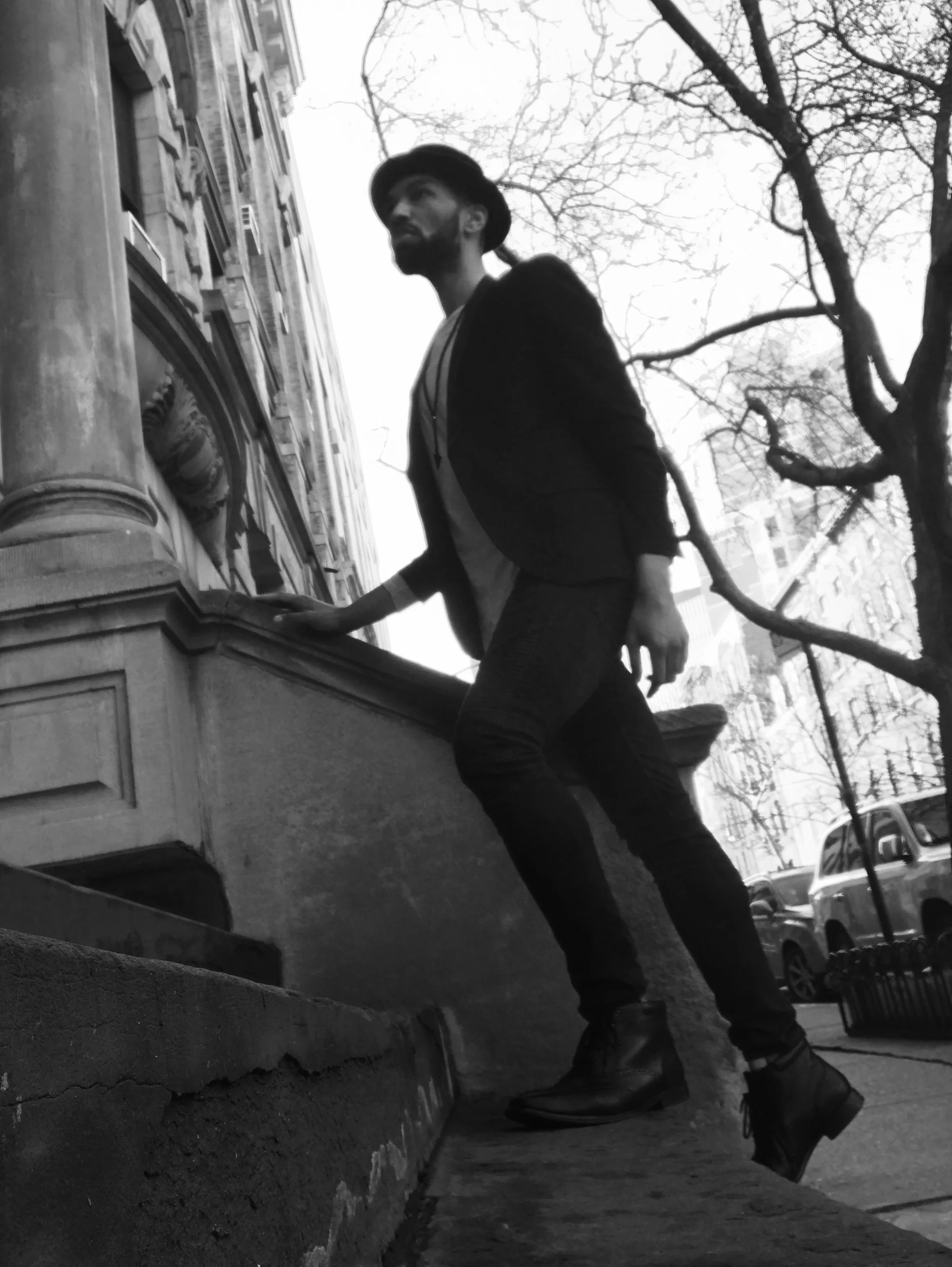
Addicted to Moving Forward
Walking.
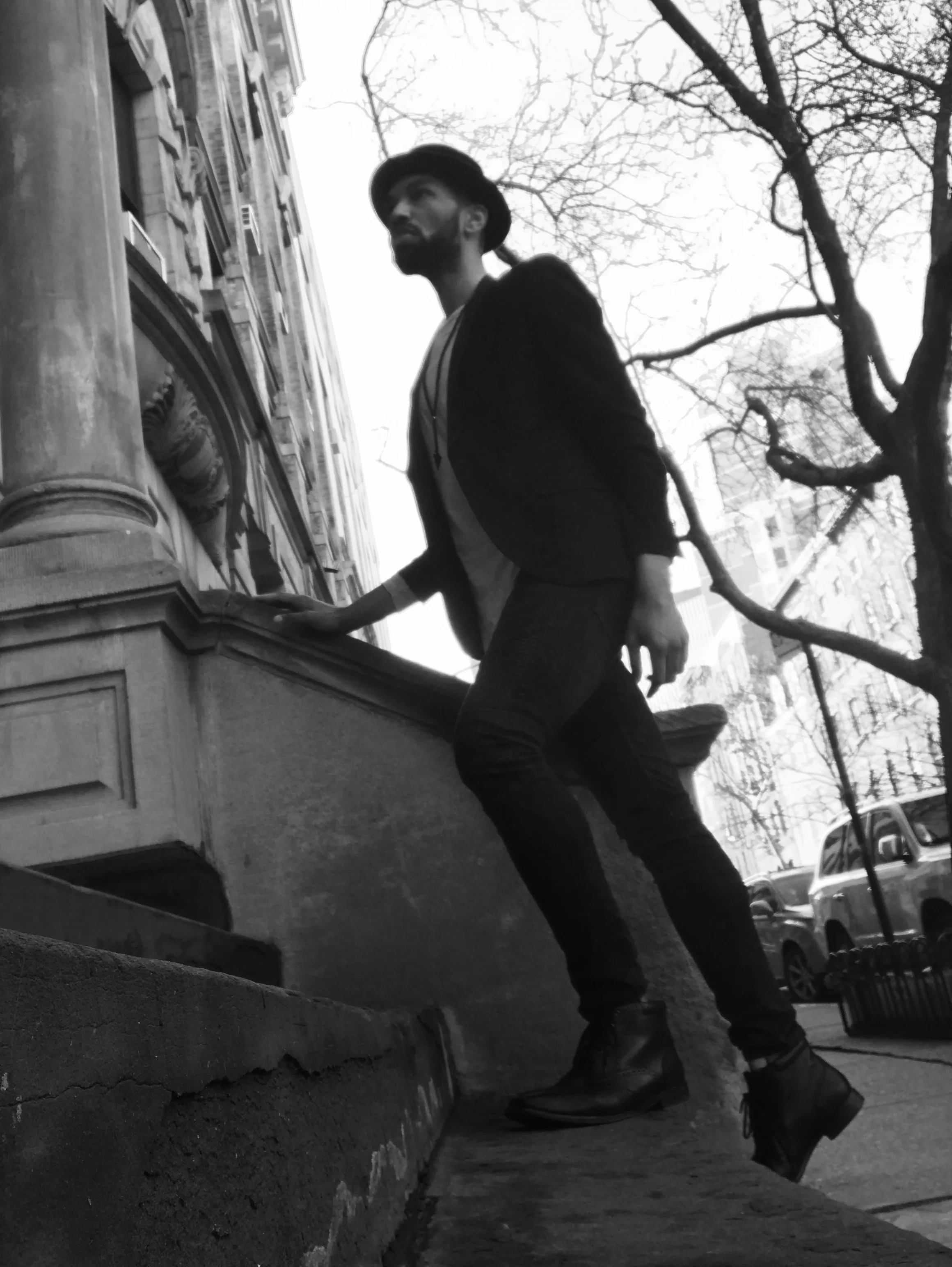
It's something that we do everyday. It is a slower version of running. I woke up one day and realized that there were times in my life where I loved the feeling of moving forward. I was willing to risk it all in order to feel the sensation of moving forward.
I decided that I don't want to be so addicted to moving forward that I actually didn't care where I landed. In the past I was doing things in a way that helped me accomplish the task of checking off my checklist however I didn't always have a clear end goal in mind beyond that.
I created culture of intense goal attainment that placed me in a race that I could never win. Because I was running and never reaching a finish line.
The Lesson is: make sure that your running has an end goal so that you don't become addicted to the never satisfied feeling of moving forward.
In Love, Peace, and Style,
Lonnie